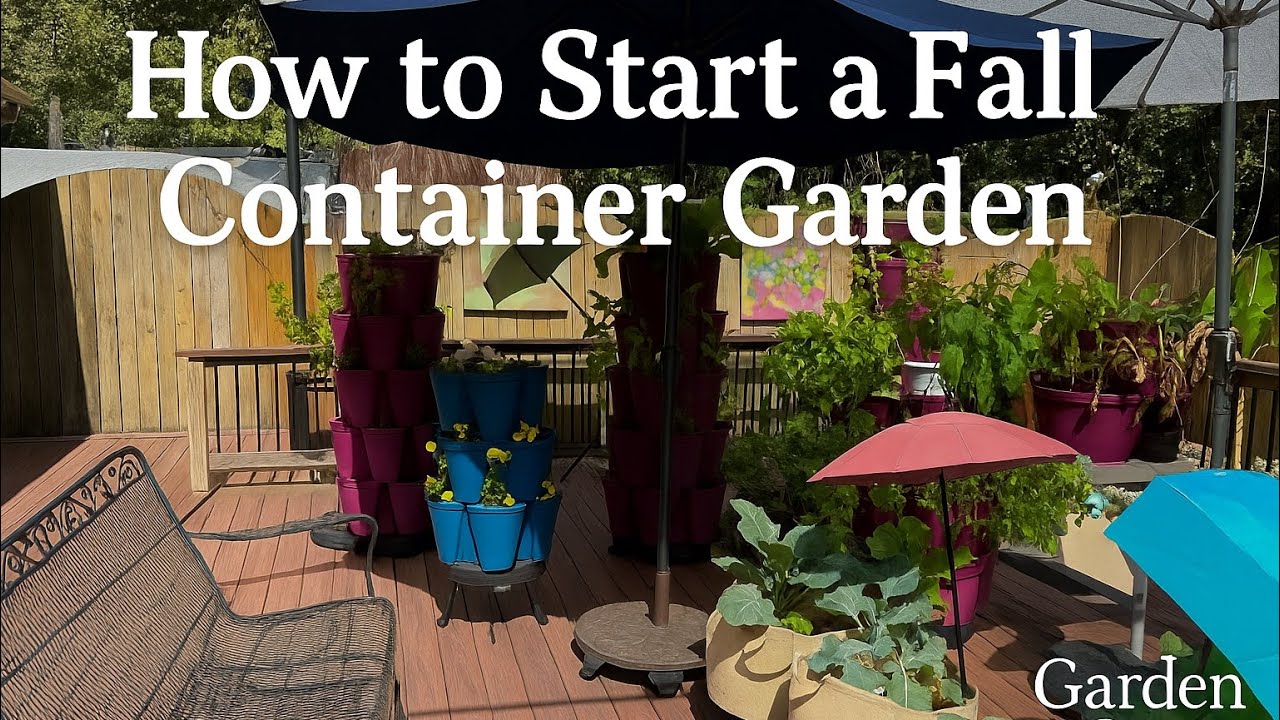
Embrace the Season: Why Fall Container Gardening is Your Next DIY Project
As the vibrant hues of summer gently recede, giving way to the crisp, inviting air of autumn, it’s the perfect moment to reimagine your outdoor spaces. Far from being a season of dormancy, fall presents an incredible opportunity for gardening enthusiasts to create stunning, lively displays. And when it comes to maximizing impact with minimal fuss, container gardening stands out as an absolute game-changer. Whether you're navigating limited space on a city balcony or looking to add dynamic accents to a sprawling yard, fall container gardening offers boundless creativity and satisfying results. If you're delving into fall planning in the garden container how to videos are often the first stop for inspiration, demonstrating just how versatile and rewarding this approach can be. Container gardening truly is for everyone and everything. Imagine transforming ordinary spots into captivating vignettes, brimming with seasonal charm. We’ve seen entire gardens flourish exclusively in containers, proving that this method is not just a compromise for those without in-ground options, but a preferred technique for many. The exciting results speak for themselves: vibrant plants, easy maintenance, and the flexibility to rearrange your green haven as often as you like. One of the often-overlooked advantages, especially for DIY enthusiasts, is the control it offers over watering. With well-designed containers, particularly sub-irrigated setups, knowing when to stop watering becomes intuitive. Water until it drains from the bottom, and you know your plant has had enough – no more guessing games about too little or too much. This simple, effective technique ensures consistent moisture without waterlogging, fostering healthier, happier plants throughout the season.DIY Container Creations: From Edibles to Ornamental Wonders
The beauty of fall container gardening lies in its accessibility and the sheer variety of projects you can tackle. Forget expensive pre-made arrangements; with a few basic supplies and a touch of ingenuity, you can craft spectacular displays that reflect your personal style and even provide fresh produce! For those embarking on fall planning in the garden container how to videos can be incredibly helpful, showcasing practical, step-by-step guides for everything from edibles to elaborate ornamental designs.Strawberry Buckets: A Sweet Surprise for Fall
Who says strawberries are just for summer? With the right approach, you can enjoy handfuls of these delicious berries well into autumn. Creating your own strawberry buckets is a fantastic DIY project that’s both economical and highly rewarding. Here’s a basic breakdown of how you might approach it, inspired by successful methods:- Gather Your Materials: You’ll need 5-gallon buckets (often readily available from hardware stores like Home Depot, sometimes even recycled for free), a drill, and a good quality potting mix.
- Prepare the Buckets: Drill several drainage holes in the bottom of each bucket to prevent waterlogging. For a sub-irrigated effect, you might also consider drilling a few small holes higher up on the sides to act as overflow indicators.
- Planting: Fill the buckets with a high-quality, well-draining potting mix. Plant your strawberry starts, ensuring the crown is at soil level. Consider planting multiple plants per bucket, arranged strategically to allow for growth.
- Water and Watch: Water thoroughly after planting. With good drainage, you’ll easily gauge when to stop watering – just look for water exiting the bottom holes. Consistent moisture is key for abundant yields.
Herb Garden Containers: A Foundation for All Your Plants
Beyond berries, DIY herb garden containers offer a compact and convenient way to keep culinary essentials close at hand. What's more, the basic technique used for herbs is remarkably versatile and can be applied to a vast array of other plants, from robust tomatoes and pumpkins to delicate broccoli and vibrant fall annuals.The general principle involves:
- Selecting the Right Container: Choose containers appropriate for the size of your mature plants. Herbs often thrive in smaller, individual pots or a larger trough.
- Ensuring Excellent Drainage: This is non-negotiable. Always have drainage holes at the bottom. Adding a layer of coarse material like gravel or broken pottery before your potting mix can assist, but the potting mix itself is the most crucial element.
- Using Quality Potting Mix: A high-quality, well-draining potting mix is essential for healthy root development and overall plant vigor. It provides the necessary aeration and nutrients.
- Strategic Planting: Arrange your herbs or other plants to allow for ample growth and air circulation. Consider their light requirements and companion planting principles.
Crafting Your Fall Masterpiece: Design & Plant Selection
Fall container gardening is an art form, a chance to play with color, texture, and form. Unlike the riotous growth of summer, autumn encourages a more thoughtful, layered aesthetic. This is where fall planning in the garden container how to videos truly come alive, showcasing creative combinations that transform ordinary spaces into seasonal showstoppers. Consider your chosen location. Potted arrangements naturally draw the eye, making them perfect for prominent spaces like your front door, garden gate, along walkways, or nestled within seating areas where their beauty can be appreciated up close. You can create a single, dramatic focal point, establish symmetrical designs for a classic look, or cluster containers of varying sizes for an inviting, seemingly effortless charm.Designing with Intent: Thriller, Filler, Spiller for Fall
The popular "thriller, filler, spiller" principle works beautifully for fall containers:- Thriller: This is your vertical focal point, adding height and drama. Think small ornamental grasses (like Fountain Grass), compact conifers, vibrant kale, or even a miniature pumpkin on a stake.
- Filler: These plants add bulk and body, filling out the middle of your container. Classic fall mums are always a hit, but also consider pansies, violas, dusty miller, or compact heucheras with their stunning foliage.
- Spiller: Trailing plants that cascade over the edge of the container, softening its lines and adding elegance. Ivy, creeping jenny, or sweet potato vine (often still going strong in early fall) are excellent choices.
Seasonal Stars: Beyond the Mum
While mums are a fall staple, expand your palette to truly capture autumn's diverse beauty:- Flowering Plants: Pansies and violas (hardy through light frosts), ornamental peppers (with their colorful fruits), asters, and sedums (which offer late-season blooms and attractive foliage).
- Foliage Plants: Ornamental cabbage and kale provide incredible texture and color, often intensifying after a light frost. Heucheras (coral bells) offer a vast array of leaf colors from deep purple to chartreuse. Crotons and coleus can maintain their vibrant leaves well into early fall.
- Grasses: Various ornamental grasses add movement, texture, and often warm, earthy tones.
- Natural Elements: Don't forget gourds, mini pumpkins, pinecones, twigs, and even small branches with colorful leaves to nestle among your plants for an authentic autumnal feel.
Essential Care for Thriving Fall Containers
Even with the cooler temperatures of fall, consistent care is paramount to ensure your container gardens flourish. Much like the detailed guidance you'd find in fall planning in the garden container how to videos, these practical tips will help you maintain stunning displays.The Foundation: Quality Potting Mix
Always start with a high-quality, well-draining potting mix. This is non-negotiable. Good potting mix provides the necessary aeration for roots, holds moisture without becoming waterlogged, and offers initial nutrients. Avoid using garden soil, which can compact in containers, restricting root growth and drainage.Watering Wisdom in Autumn
Containers naturally dry out more quickly than in-ground plantings, a truth often highlighted in practical demonstrations of fall planning in the garden container how to videos. While fall temperatures mean less frequent watering than in summer, consistent moisture is still vital. Water when the top two inches of soil feel dry to the touch. During dry spells or unexpected warm fronts, increase vigilance. Continue watering even through light frosts, as plants still need hydration.The Magic of Mulch
Topdressing your containers with a layer of mulch (shredded leaves, wood chips, or straw) offers several benefits:- Moisture Retention: Mulch helps reduce evaporation, meaning you water less often.
- Root Insulation: As temperatures drop, mulch acts as an insulating layer, protecting plant roots from extreme cold and temperature fluctuations.
- Weed Suppression: It helps keep unwanted weeds at bay.
- Aesthetic Appeal: A neat layer of mulch can also add a finished, tidy look to your arrangements.
